Why is Nashville known as ‘Music City’?
While Nashville, Tennessee is known as ‘Music City’ for several reasons, some of the reasons are overlooked.
Fisk Jubilee Singers
The Fisk Jubilee Singers are a renowned a cappella choir from Fisk University in Nashville, Tennessee. The group was formed in 1871 by music professor George L. White to raise funds for a university facing severe financial hardship.

The Fisk Jubilee Singers pose for a picture during a trip to Thousand Island Park, New York, USA, circa 1870. (Courtesy: Getty/A. C. McIntyre/Archive Photos)
The original ensemble consisted of nine students, many of whom had been formerly enslaved. They toured across the United States and Europe, introducing audiences to spirituals such as Swing Low, Sweet Chariot and This Little Light of Mine. These performances marked the first time many of these songs were presented on public concert stages.
Their tours earned widespread praise and had a direct impact on Fisk University’s survival. The money raised made it possible to construct Jubilee Hall, the school’s first permanent building and a lasting symbol of the group’s success.

A marker stands at the university honoring the Fisk Jubilee Singers. The "HERITAGE & HONOR: 150 YEAR STORY OF THE FISK JUBILEE SINGERS" tribute was unveiled on June 29, 2022. (Courtesy: Getty/Jason Davis/Getty Images for Marushka Media)
In 1872, the singers performed for Queen Victoria. After hearing them, with tears in her eyes, she asked them where they’re from. ‘Nashville’ they responded. She was so moved, she responded in a similar phrase as ‘That must be a music city’, a remark often cited as the origin of the nickname Music City, decades before it became associated with country music. She was so impressed by their performance that she ordered her artist to paint

Queen Victoria was so impressed by the Fisk Jubilee Singers that she commissioned this painting depicting the group and gifted it to the university. (Courtesy: Charlotte Observer)
This portrait commemorates their performance before Queen Victoria. Painted in 1873 by Edmund Havel, Queen Victoria's court painter, it depicts, left to right (men): Benjamin Holmes, Isaac Dickerson, Thomas Rutling, Edmund Watkins; Left to right (women): Mabel Lewis, Minnie Tate, Ella Sheppard, Jennie Jackson, Julia Jackson, Maggie Porter, Georgia Gordon. George L. White was the director of this group.
Beyond their financial and cultural impact, the Fisk Jubilee Singers played a major role in reshaping public perceptions of genius Black artistry. They brought spirituals to global audiences and opened doors for future generations of African-American performers.
The group continues to perform today. Their honors include induction into the Gospel Music Hall of Fame in 2000, a National Medal of Arts in 2008, and a Grammy Award in 2021. Their legacy remains central to the history of American music and the broader struggle for civil rights.
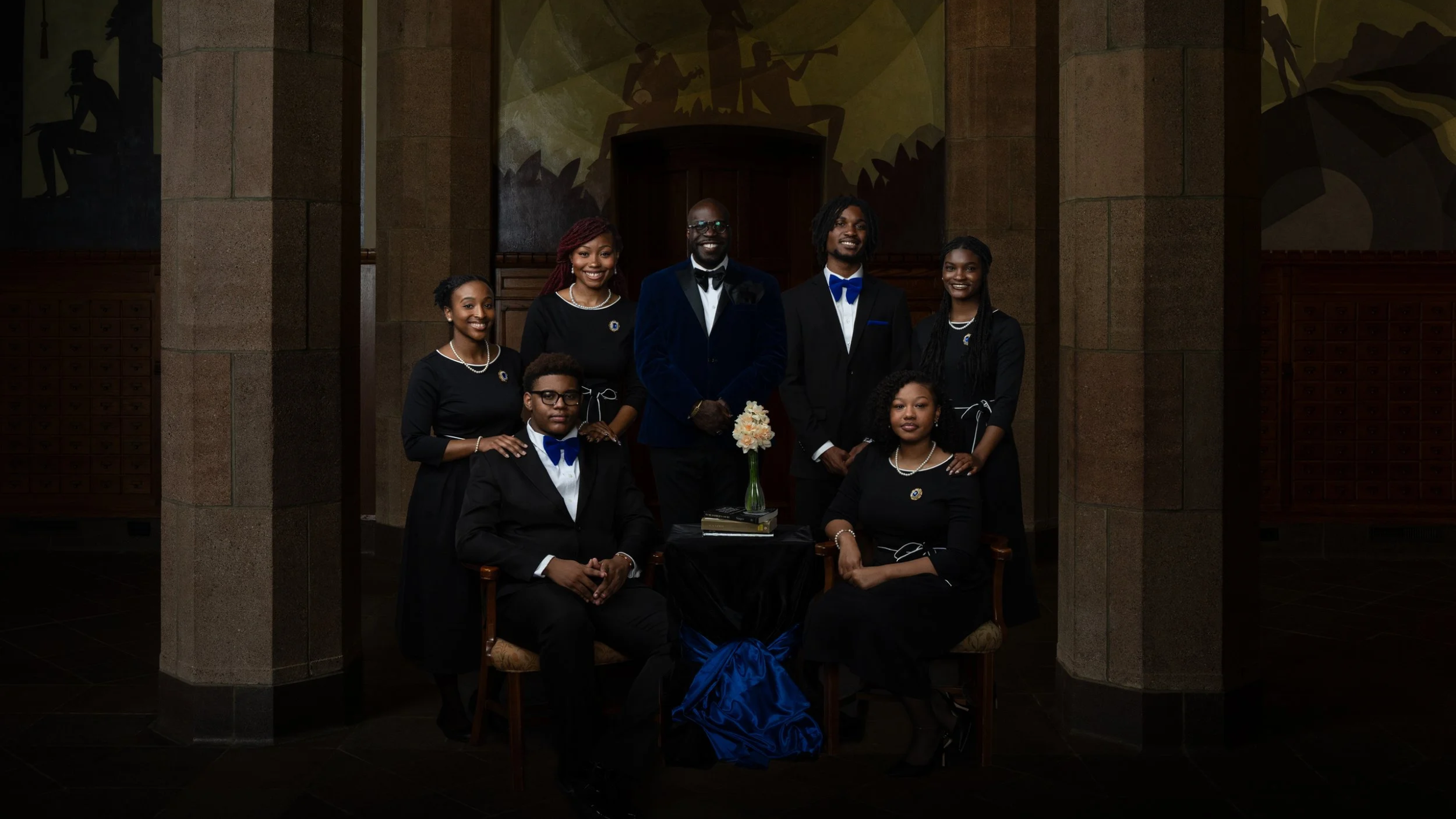
The Fisk Jubilee Singers in modern day (Fisk University: Fisk Jubilee Singers)
Country Music
It has been a form of expression, testimony, community, and purpose. Long before neon lights and Broadway crowds, music in Nashville was rooted in faith, storytelling, and shared experience.
Country music may be the most visible chapter of that story. The Grand Ole Opry began in 1925 as a simple radio broadcast, bringing live music into homes across the nation. It helped preserve traditional songs and introduced voices that spoke honestly about life, work, hardship, and hope. Music Row grew later as a cluster of studios, publishing houses, and songwriting rooms where musicians collaborated face to face, often shaping songs with nothing more than a guitar, a piano, and lived experience.
Bluegrass holds a special place in the city’s musical soul. At intimate venues like the Station Inn, acoustic musicians continue a tradition built on tight harmonies and instrumental skill. Bill Monroe’s influence helped define the genre here, but the spirit of bluegrass lives on through weekly jams and generations of players learning directly from one another. Jazz, soul, and R&B flourished along Jefferson Street, a historic corridor where music, culture, and community met. This area became a gathering place for musicians passing through the South, offering stages where artistry and discipline mattered more than trends. The legacy of Jefferson Street remains a reminder that Nashville’s sound has always been diverse and deeply human.
Classical music also has a strong home here. The Nashville Symphony performs at the Schermerhorn Symphony Center, a hall built for listening with care and intention. With multiple Grammy Awards, the orchestra reflects a city that values musical excellence across traditions.
The Ryman Auditorium stands at the heart of it all. Originally built as a church, its walls were shaped by sermons, hymns, and public gatherings before becoming one of the most respected performance spaces in the world. Artists often speak of the room with reverence, noting how the space itself seems to listen back.
Today, Nashville holds more than 250 music venues. Songwriters meet in quiet rooms to tell honest stories. Choirs rehearse in sanctuaries. Musicians gather not just to chase success, but to serve songs that mean something. Music here is not confined to one genre or one purpose. It is woven into daily life. Music is deeply ingrained in Nashville's culture, with musicians from various backgrounds contributing to its cosmopolitan atmosphere.
Conclusion
‘Music City’ means the preservation of the original intents of music; to praise, celebrate, lift up, worship, show adoration, testify, and more. When our name, language, roots, history, and identity were stripped away, we still praised our heavenly father with music even in literal chains. Music became a vessel of our faith, memory, and survival.
It symbolizes a historical city, the region shaped by the impact of people with the power of music in their DNA, and the reality of their culture shaped the world’s approach to music. Also, it embodies the birth of a language that is used as the most advanced system in hear and play based techniques; Nashville Numbers.